
Insurance Investigations:
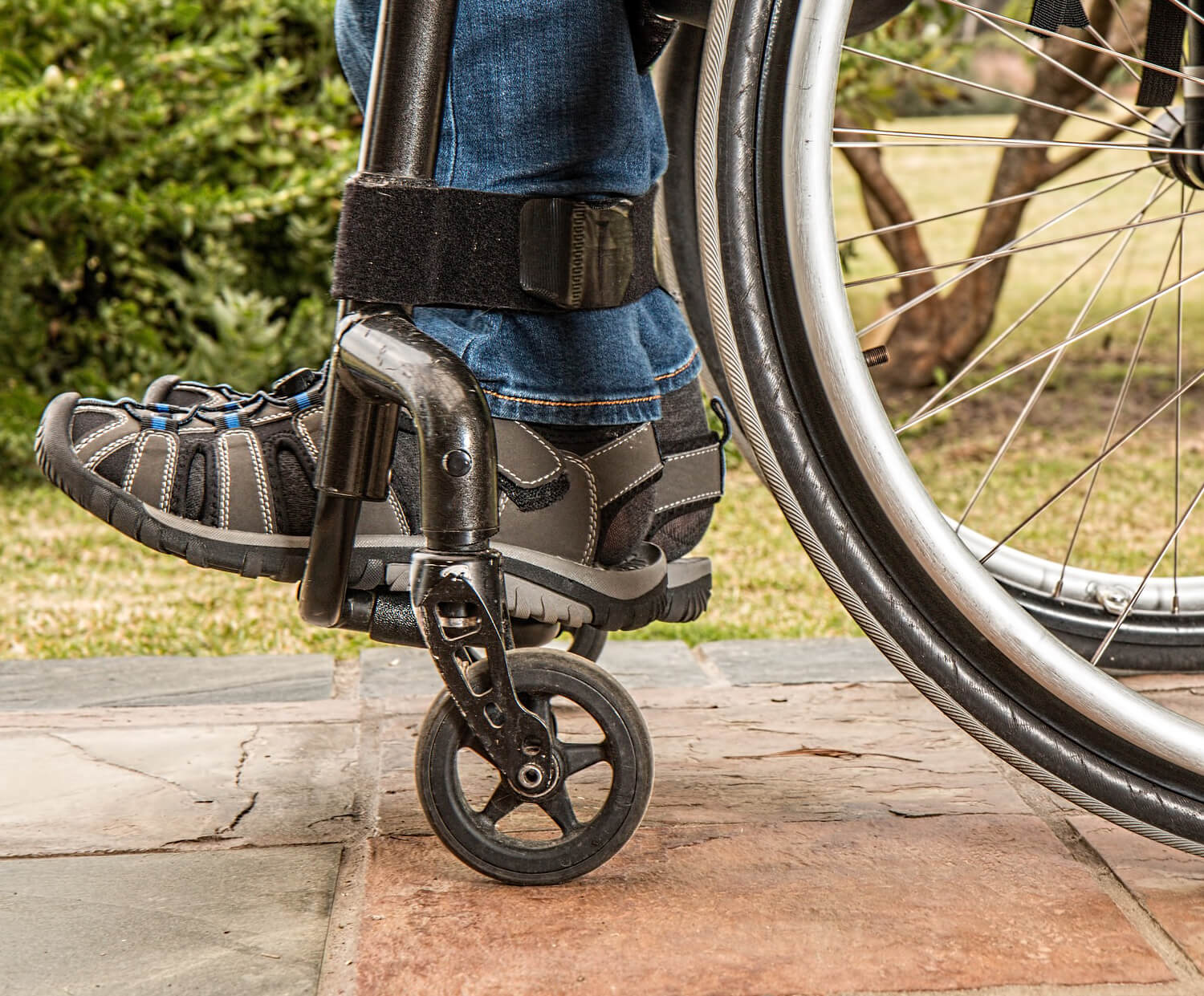
Verifying claims for insurance companies to detect fraudulent activity, such as staged accidents or exaggerated injuries.
An insurance investigation is a systematic process conducted by an insurance company or a designated third party to verify the validity of an insurance claim, assess the circumstances surrounding the claim, and determine the appropriate course of action for coverage or denial. The investigation ensures compliance with policy terms, detects potential fraud, and protects the interests of both the insurer and the policyholder.
Objectives
-
Verify Claim Details: Confirm the accuracy of the information provided by the claimant, including the date, time, location, and nature of the incident.
-
Assess Liability: Determine who is responsible for the incident and whether it falls within the scope of the policy coverage.
-
Detect Fraud: Identify any inconsistencies, misrepresentations, or fraudulent activities that may invalidate the claim.
-
Evaluate Damages: Document and quantify the extent of loss or damage to property, health, or other insured assets.
-
Ensure Compliance: Ensure that the claim adheres to the terms and conditions outlined in the insurance policy.
Investigation Process
- Claim Initiation: The claimant submits a claim with relevant details, such as incident reports, receipts, medical records, or police reports.
-
Initial Review: The insurance adjuster reviews the claim to confirm basic eligibility and identify any immediate red flags.
-
Evidence Collection:
-
Interviews with the claimant, witnesses, or involved parties.
-
Collection of physical evidence, such as photographs, videos, or damaged items.
-
Review of official documents, including police reports, medical records, or repair estimates.
-
-
Site Inspection: For property or vehicle claims, an investigator may visit the incident location to assess damage and verify circumstances.
-
Background Checks: Verification of the claimant’s history, policy details, and any prior claims to identify patterns or inconsistencies.
-
Analysis and Evaluation: The collected evidence is analyzed to determine coverage eligibility, liability, and the extent of damages.
-
Report Preparation: A detailed report is compiled, summarizing findings, conclusions, and recommendations for claim approval, denial, or further investigation.
-
Resolution: The insurer communicates the decision to the claimant, providing payout for valid claims or reasons for denial if applicable.
Key Considerations
-
Timeliness: Investigations are conducted promptly to ensure fair and efficient resolution for the claimant.
-
Confidentiality: All information gathered during the investigation is handled with strict confidentiality to protect the claimant’s privacy.
-
Compliance: Investigations adhere to local laws, regulations, and industry standards to ensure fairness and legality.
-
Objectivity: Investigators maintain impartiality to avoid bias and ensure decisions are based solely on evidence.
Common Scenarios
-
Auto Insurance: Investigating accidents to determine fault, assess vehicle damage, and verify injury claims.
-
Home Insurance: Examining property damage claims due to fire, theft, natural disasters, or other covered events.
-
Health Insurance: Reviewing medical claims to confirm treatment necessity and policy coverage.
-
Liability Insurance: Investigating incidents involving third-party injuries or property damage to determine responsibility.
Tools and Techniques
-
Interviews and Statements: Gathering firsthand accounts from involved parties.
-
Digital Tools: Using software to analyze data, such as GPS records or surveillance footage.
-
Forensic Analysis: Employing experts for specialized cases, such as fire cause analysis or medical evaluations.
-
Database Checks: Cross-referencing claimant information with industry databases to detect fraud.
Outcome
The investigation results in one of the following:
-
Claim Approval: The claim is valid, and the insurer provides compensation per the policy terms.
-
Claim Denial: The claim is deemed invalid due to fraud, misrepresentation, or lack of coverage.
-
Further Investigation: Additional evidence or clarification is required before a decision can be made.
This process ensures that insurance claims are handled fairly, efficiently, and in accordance with policy agreements, maintaining trust between insurers and policyholders.